
Six buoys labelled and lined up before going into the ice on a NIWA deployment.
WII6 is the sixth design in a line that started in 2012. Earlier instruments used a Kistler single-axis accelerometer with a lower-cost inertial measurement unit (IMU). The Sparton motion sensor used in multiple WII5 deployments remains an option for WII6. The wave maths builds on the work across those generations.
Deployments
| Year | Deployment | History |
|---|---|---|
| 2012 | NIWA, East Antarctica, the SIPEX II voyage: the first array, and the data behind the 2014 Nature paper | NIWA 2012 |
| 2014 | Scott Base testing | Scott Base 2014 |
| 2016 | Internal test deployment, and the first WII3 builds | WII3 testing |
| 2016 | Japan | Japan 2016 |
| 2016 | NIWA test | NIWA testing |
| 2017 | NIWA, Ross Sea, the PIPERS voyage: fourteen buoys through autumn ice growth | PIPERS 2017 |
| 2017 | NYU Abu Dhabi | NYU 2017 |
| 2018 | Japan | Japan 2018 |
| 2018 | University of Melbourne | Melbourne 2018 |
| 2019 to 2022 | Tasmania, the WII5 generation at sea | Tasmania 2019 to 2022 |
| 2019 to 2021 | TWK5, Canada | Canada 2019 to 2021 |
| 2024 | Korea Polar Research Institute, ten deployed buoys | KOPRI 2024 |
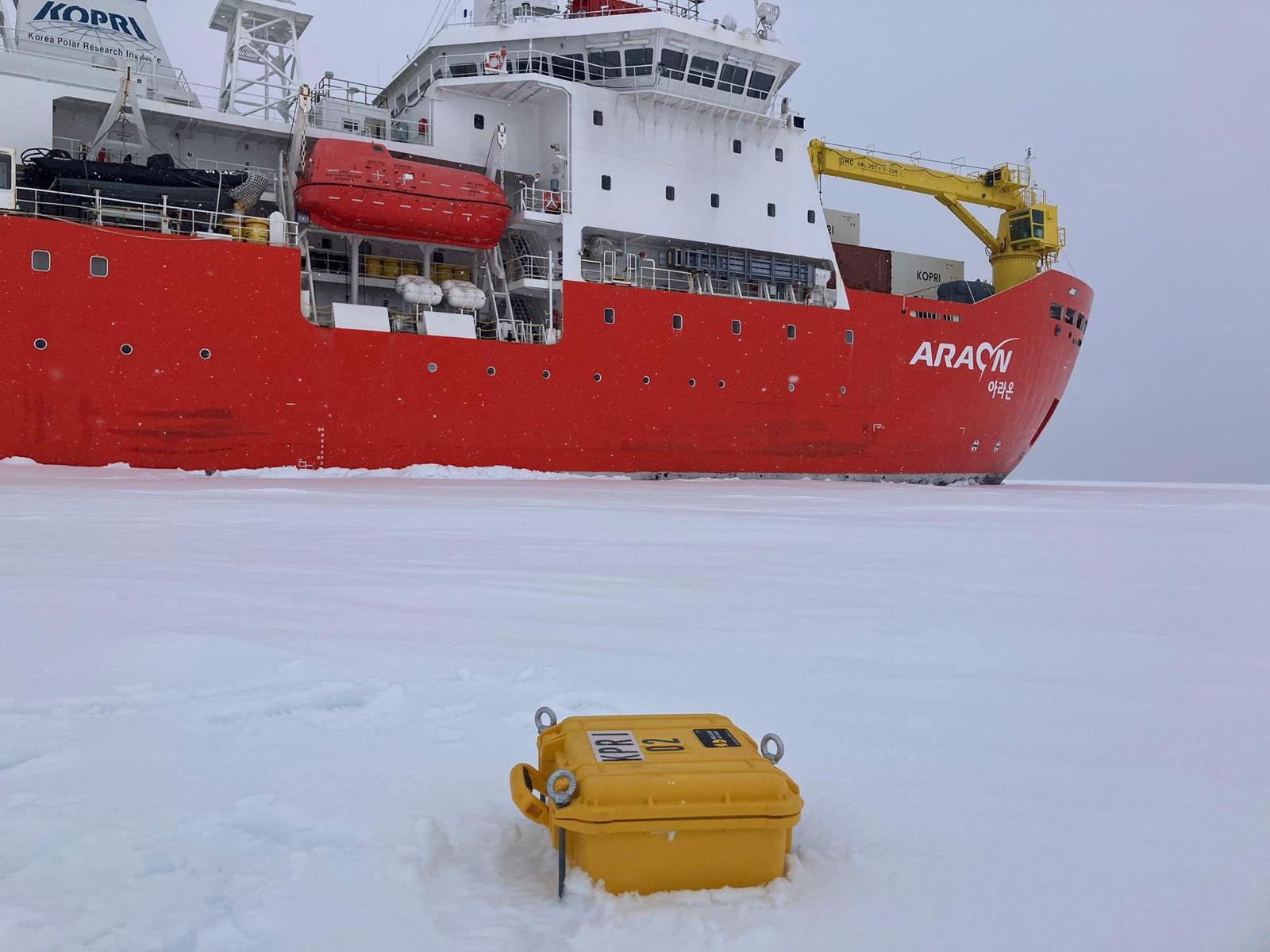
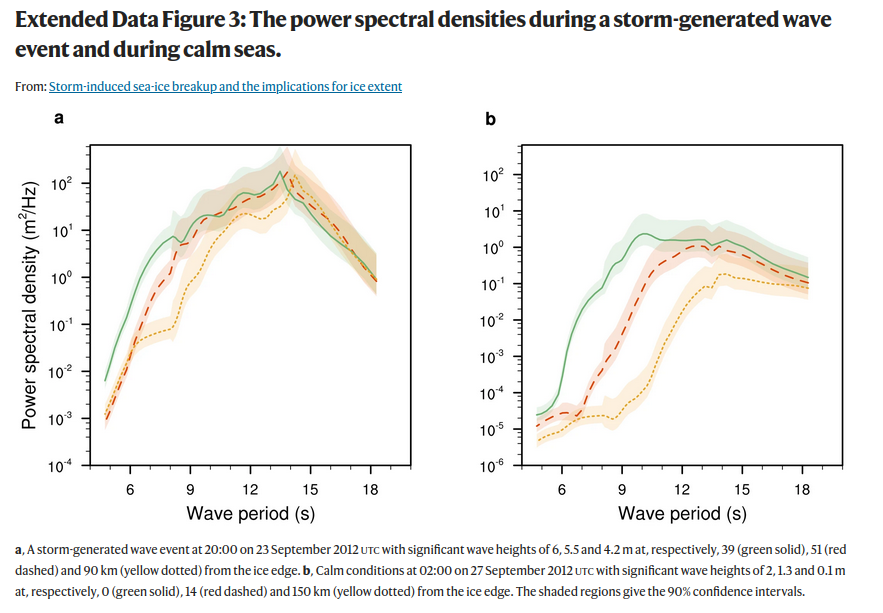
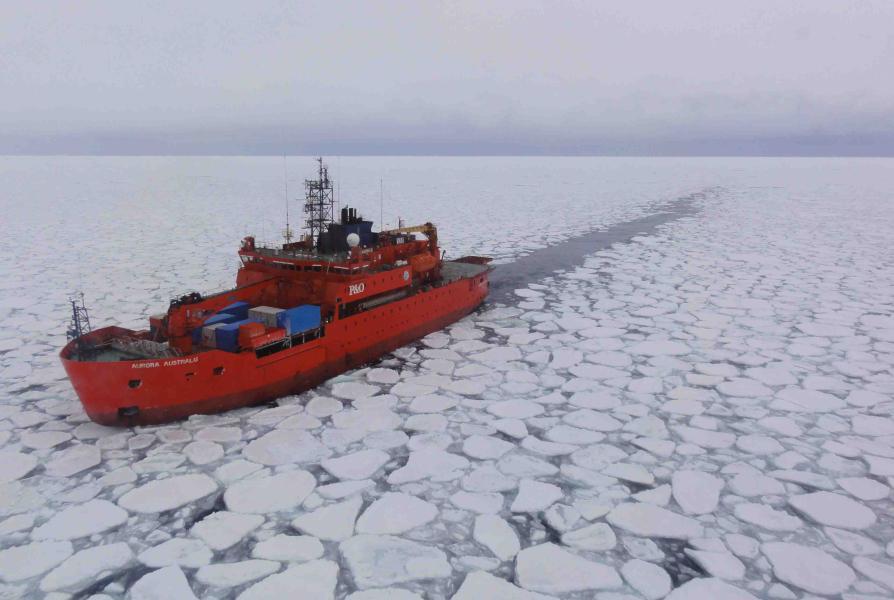
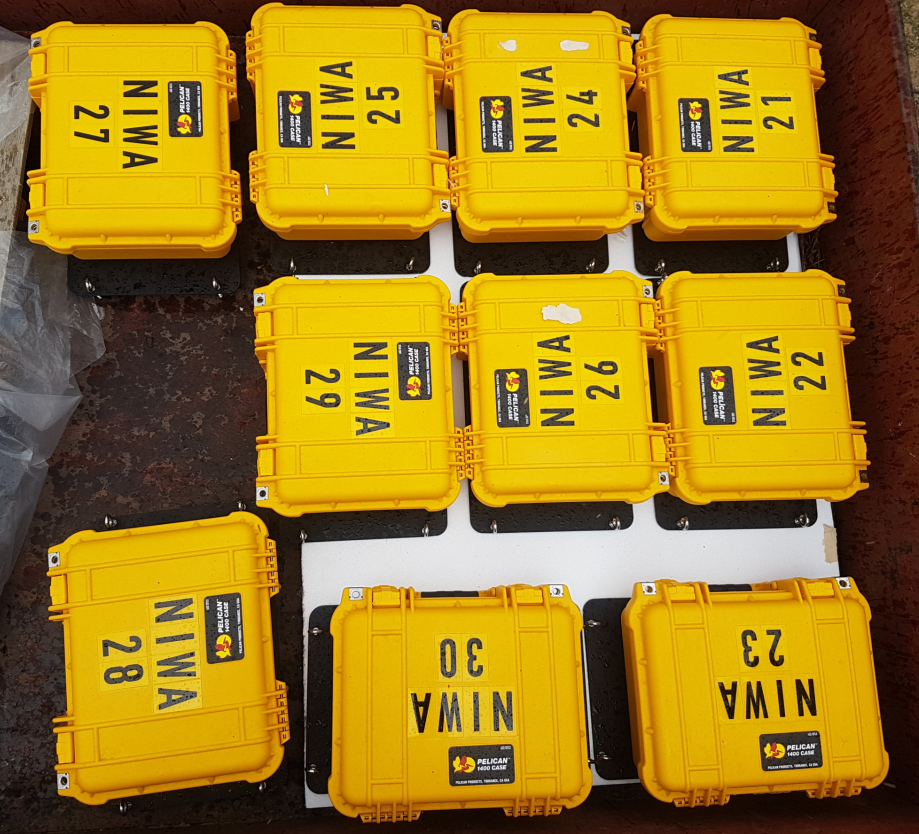
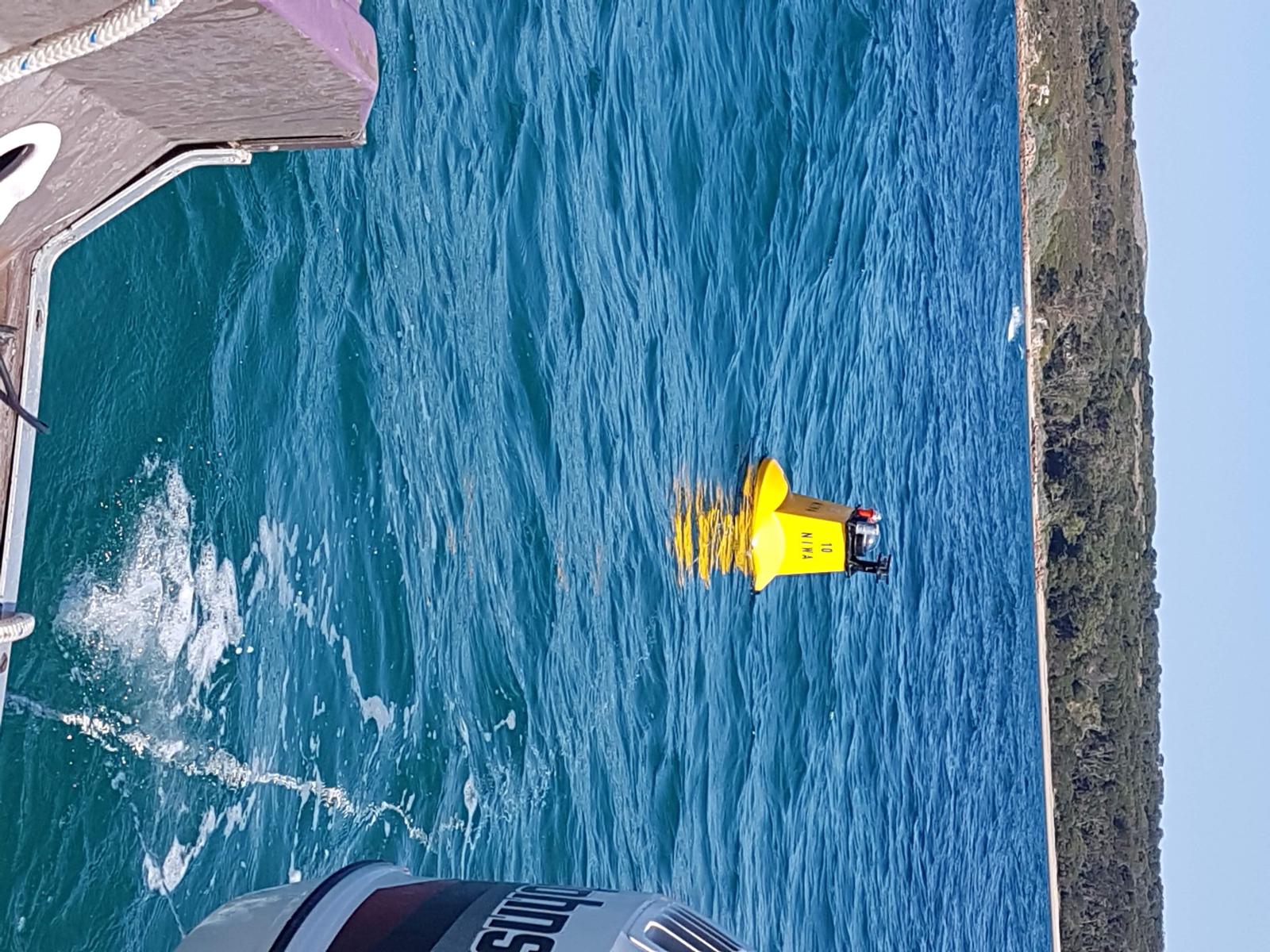
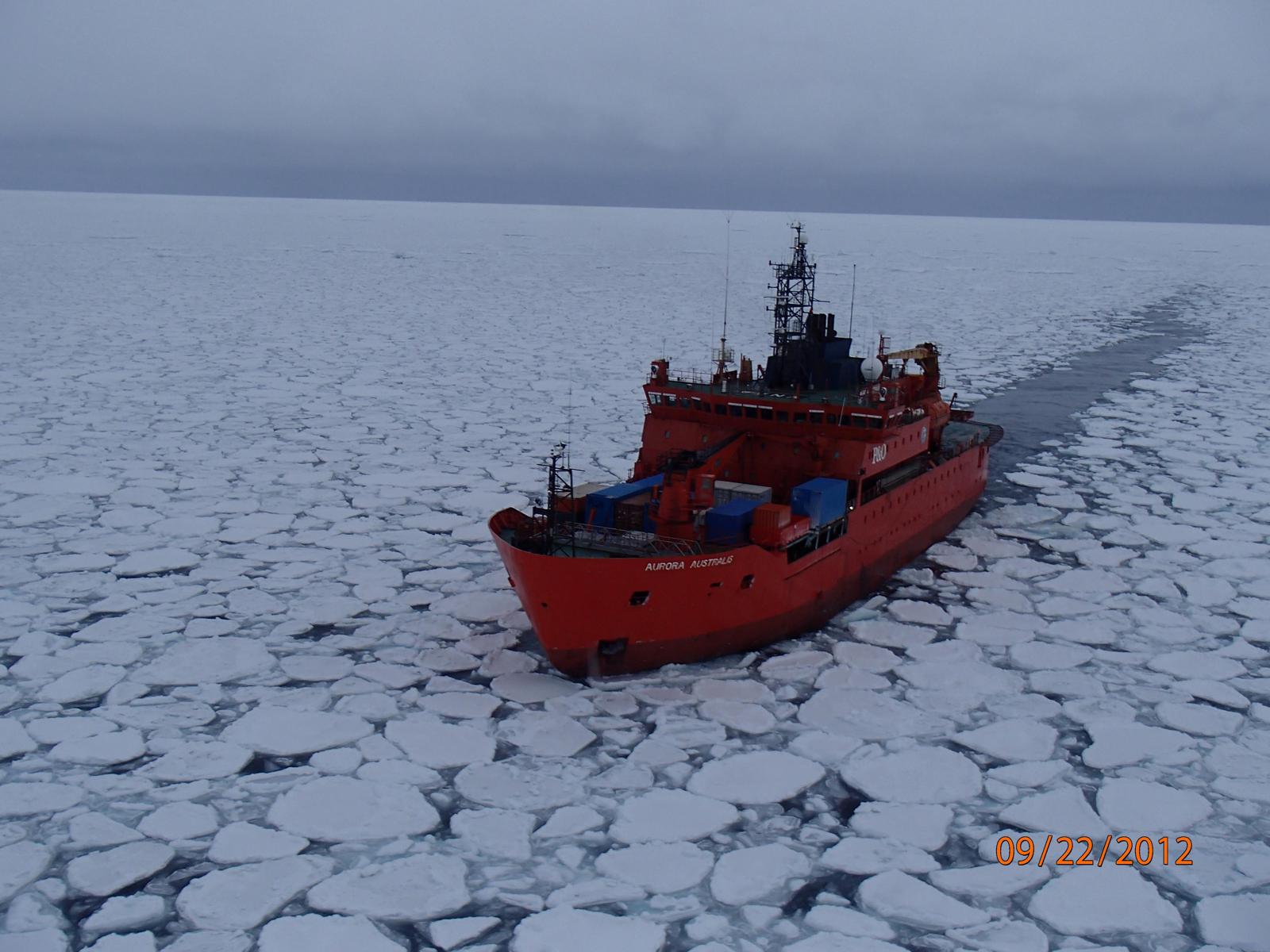
The scientific figure in the gallery is Extended Data Figure 3 from Kohout et al. (2014), Storm-induced sea-ice breakup and the implications for ice extent. It compares wave power spectra during a storm-generated wave event and calm seas, at different distances from the ice edge.
On the WII5 site
The previous site remains the record of the earlier generations and stays online:
- Deployment histories, with photographs and videos.
- Public data and permissions, the SIPEX II, PIPERS and JARE-61 archives.
- Publications, including Kohout et al. 2014 in Nature.
- Buoy types WII1 to WII5, electronics, enclosures and test equipment.
- Open-source software: the WII5 firmware, the server, the analysis tools and the viewers.
The science
The wave-motion mathematics and the field programmes were led by Dr Alison Kohout of NIWA. Her project pages cover the sensor design, data collection on each voyage, the analysis, and the publications: Waves in Ice.